
Isleworth / Oven care
Oven Cleaning Isleworth
Clearer oven glass starts with knowing which surface carries the mark. For Isleworth, explain whether residue appears outside, inside the cavity or between door panels. Share the model and the rest of the cleaning request so John’s can discuss accessible glass, suitable fittings and a useful appointment for your oven.
- Locate marks before choosing the scope
- Understand model-dependent glass access
- Include the cavity behind the visible door
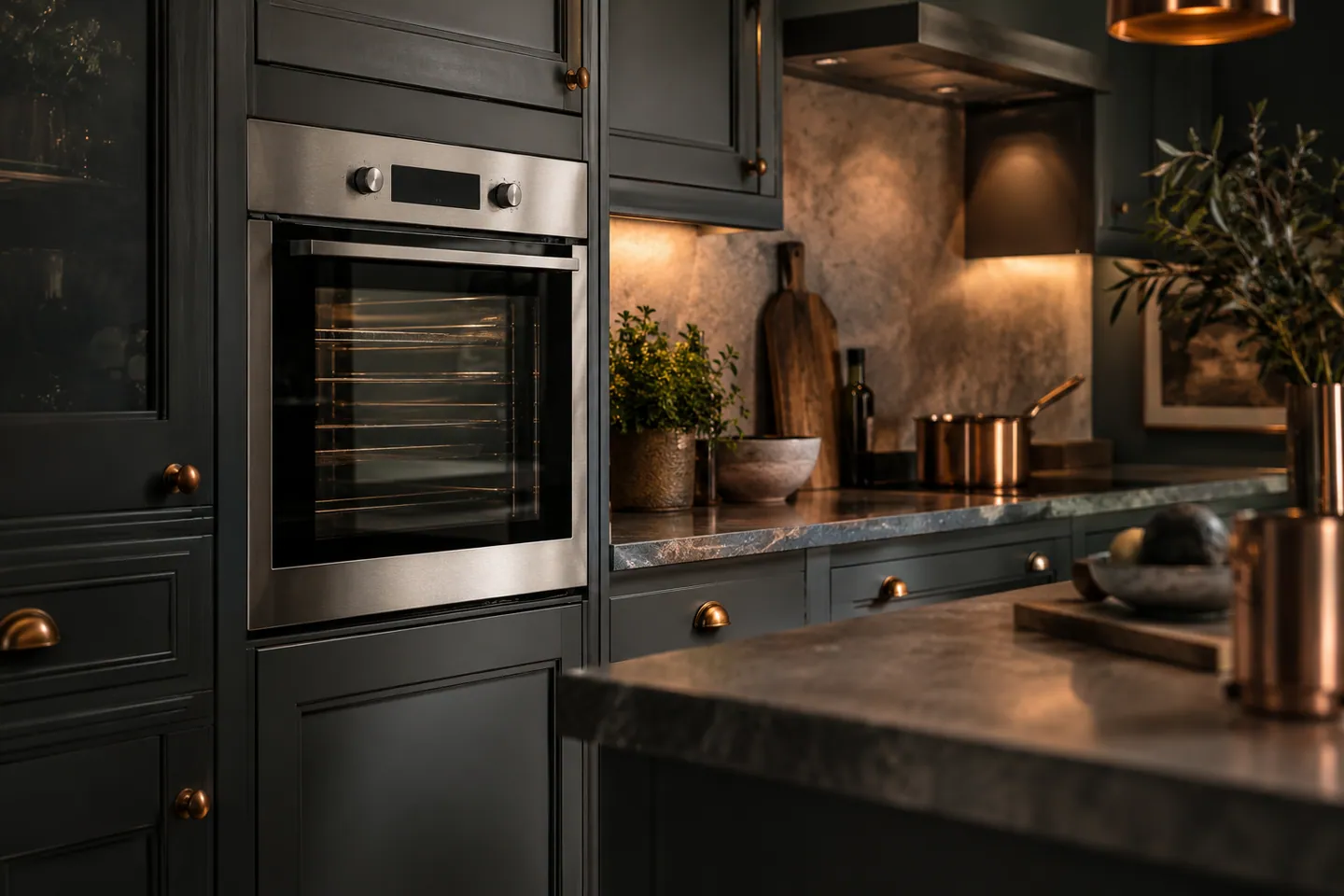
Describe the view through the door
A mark can be obvious when you look through the oven door but difficult to locate on the glass itself. The outer face, cavity-facing panel and space between layers are different positions. Explain what you can see without loosening fixings to investigate. Your model details and photographs can help put the concern into context.
John’s provides oven cleaning across London, including Isleworth. Give the full postcode, address and appliance layout when requesting a visit. If the glass is the main reason for booking, say so early; it is useful to establish realistic access before building the rest of the work around that concern.
Look at the cavity and suitable accessories as well. Grease on a tray or splashes on side surfaces may be less visible through the door but still belong in your enquiry. A fuller picture allows the quote to cover the work you want rather than only the most noticeable patch.
Follow the glass concern through the visit

Locate the concern on the cold door
Begin by showing the marks and any known chips, scratches or loose fittings. The cleaner can consider the construction and the accessible surfaces within the agreed work. A clear exposed face does not prove every internal pane can be reached, and a photograph alone cannot establish all hidden access points. Keep the model information available so the discussion follows this appliance.
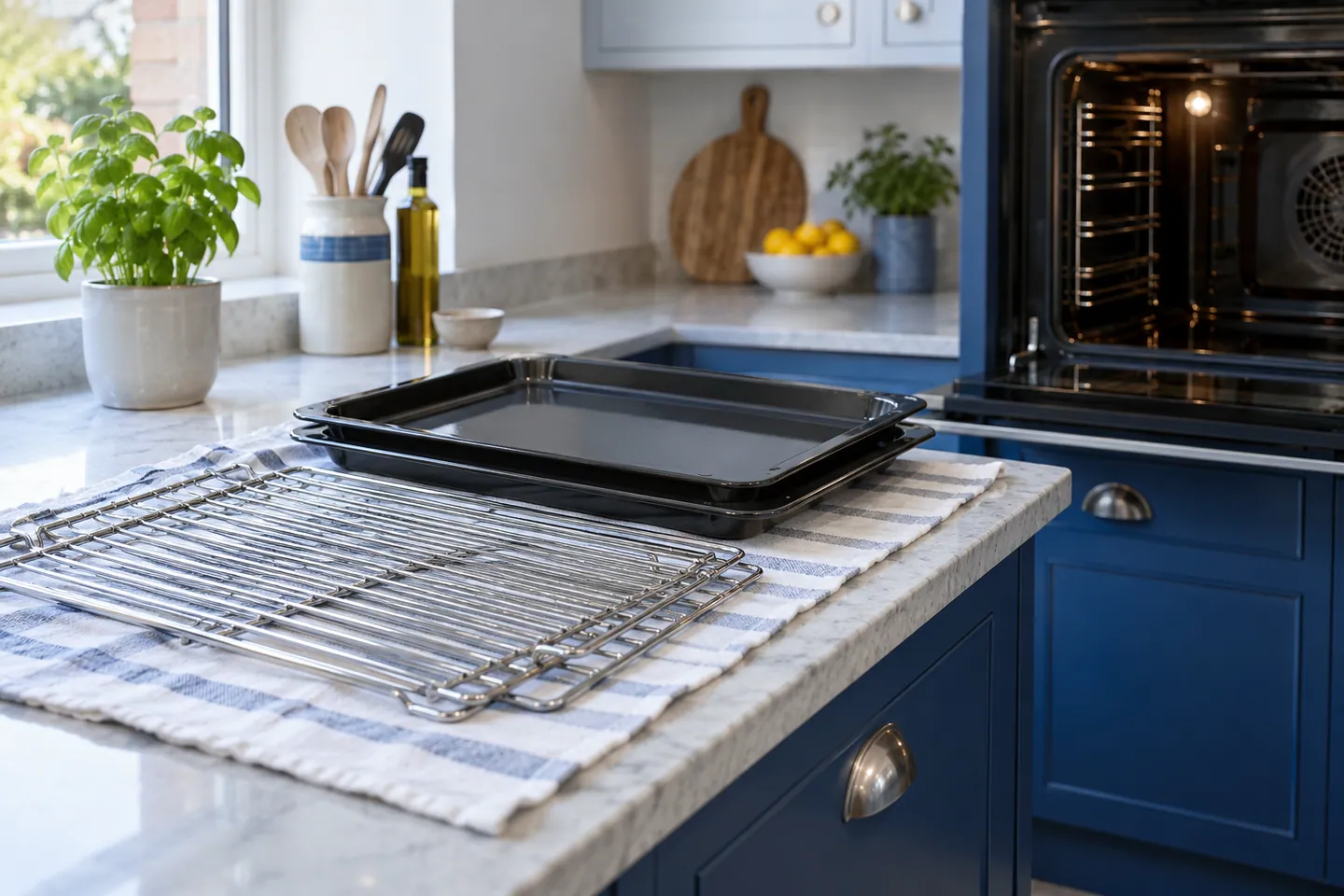
Treat suitable glass alongside the oven surfaces
The cleaning work can address appropriate deposits on reachable panels and the other listed components. Suitable racks and trays need their own material consideration rather than being treated as glass. Special liners and coated surfaces also deserve appropriate methods. Access follows the door design, so a thorough clean should not be equated with unconditional dismantling of every panel or fitting.
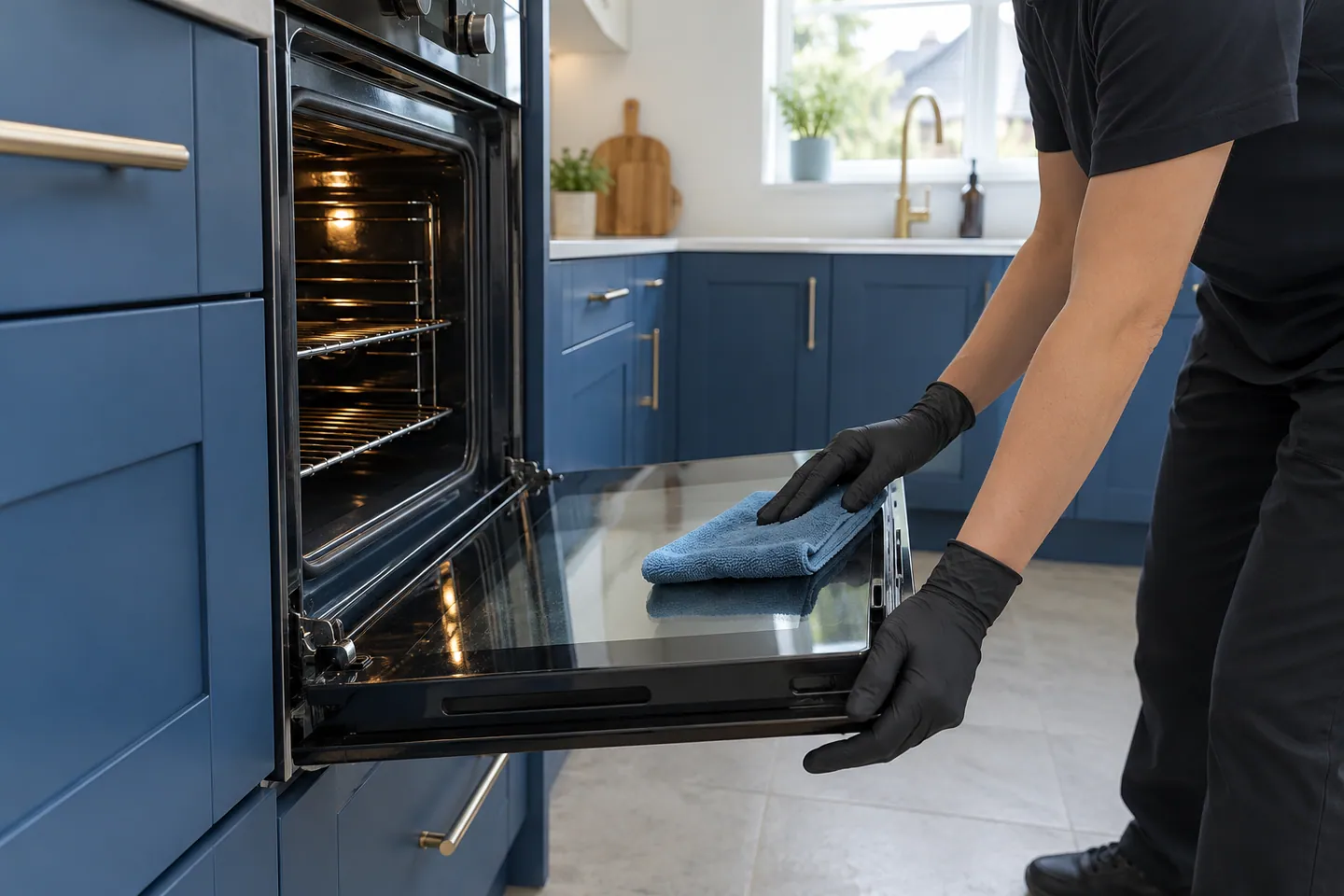
Look through the completed door together
Review the accessible cleaned faces and ask about any visible mark that remains. It may need an explanation about location, staining or damage instead of a stronger treatment. Account for the agreed removable parts and confirm the model-specific guidance before using the oven again. This final look connects your original glass concern with the cleaning actually performed.
Relate each door to a cooking compartment
The oven category helps describe scale, but the model clarifies door construction. Count the cooking spaces and explain which door carries the mark, then include shelves and trays in the request.
One-cavity oven
One door can contain multiple glass layers. Mention its grill function and suitable accessories so the enquiry describes the oven behind the panel as well as the glass.
Two oven spaces
Identify whether the upper door, lower door or both need attention. Their deposits and access can differ, even within the same appliance front.
Multi-cavity range
List each requested oven and grill door. The hob is a separate surface to quote, while non-cooking storage should not be counted as another oven.
Leave panels intact and clear the opening
Allow the appliance to cool completely, remove food and unrelated cookware and keep the requested fittings available. Clear the area where the door opens and the route to the kitchen. There is no need to remove the door or separate panes before the appointment.
Tell the booking team about a door that catches a neighbouring fitting or does not open normally. Glass damage, hinge trouble and failed seals are repair concerns; cleaning does not correct them. If the surroundings also need attention, discuss kitchen deep cleaning separately from the oven scope.

Set a useful boundary around glass cleaning
Components to discuss
- Accessible glass faces on the named model
- Reachable cavity and external oven surfaces
- Appropriate removable racks and trays
Outcomes not implied
- Separating every layer on every door
- Removing scratches, cracks or permanent changes
- Repairing seals, handles or hinge mechanisms
A glass mark should be described by position and condition. Suitable residue can be addressed where access permits; scratches or a changed surface remain different issues. If one inaccessible patch would determine whether the service meets your needs, make that clear before agreeing the appointment and price.
Quote the oven and any separate extras
Guide amounts published for ovens are £50–£75 for a single, £75–£100 for a double and £100–£130 for a range. Ask for your total after explaining the glass concern, cavities and condition. Check the listed components, VAT treatment and any relevant access or parking costs.
Add hob cleaning expressly if wanted. Extractors have a separate £25–£40 guide. Some oven appointments take around one to two hours, though size, deposits, access and added tasks alter the allowance. Confirm timing for the agreed work instead of assuming glass concerns make it a shorter visit.
Keep future visibility within the model’s care advice
Follow the manual for cooled glass and avoid unsuitable abrasive pads or improvised scraping. Deal with fresh splashes using permitted methods and keep trays manageable between cavity cleans. Do not cover the oven floor with foil unless the manufacturer allows it, and leave ventilation unobstructed.
Look at how residue returns with your cooking rather than imposing the same interval on every appliance. The guide to care between professional cleans offers general ideas alongside your manual. A newly loose panel or operating fault needs suitable attention rather than repeated cleaning.
Understanding door marks and panel access
Can you tell from a photo which pane is marked?
An image can help locate the concern but may not settle the exact layer or access. Include the model and a description of what you observe rather than relying on the photograph as a removal guarantee.
Should I unscrew the glass to check?
Leave the assembly intact for the enquiry and visit. Describe the mark and any damage, and let access be discussed according to the appliance construction rather than dismantling it to identify the location.
Does clearer glass mean scratches will disappear?
No. Cleaning can remove suitable deposits but does not restore scratched or damaged glass. Discuss known defects separately so a clearer surface is not mistaken for a promise of material restoration.
Can both double-oven doors be included?
Identify both doors and the cooking compartments you want cleaned. Confirm the complete scope so a concern about one panel does not leave the second cavity or its accessories unspecified.
What information arranges the Isleworth appointment?
Send the full postcode and address, model, glass concern and requested components. Add practical entry details and preferred timing so the booking can be agreed around the actual appliance and work.
Area information for your enquiry
Explore the service areas directory, or choose a relevant nearby area below. When calling, give the full postcode so the address and appointment options can be confirmed.
Arrange your Isleworth oven clean
Discuss the appliance, address and work you want included before agreeing the quote and visit.