
Wimbledon / Oven care
Oven Cleaning Wimbledon
Oven cleaning in Wimbledon can address suitable cooking deposits while respecting the condition of the underlying enamel. John’s can discuss the cavity, reachable glass and removable accessories you want included. Describe existing wear, agree a clear quotation and prepare the appliance for a practical clean with realistic expectations for its finish.
- Distinguish deposits from the existing enamel finish
- Set a useful cleaning goal without expecting refurbishment
- Match future routine care to the appliance materials
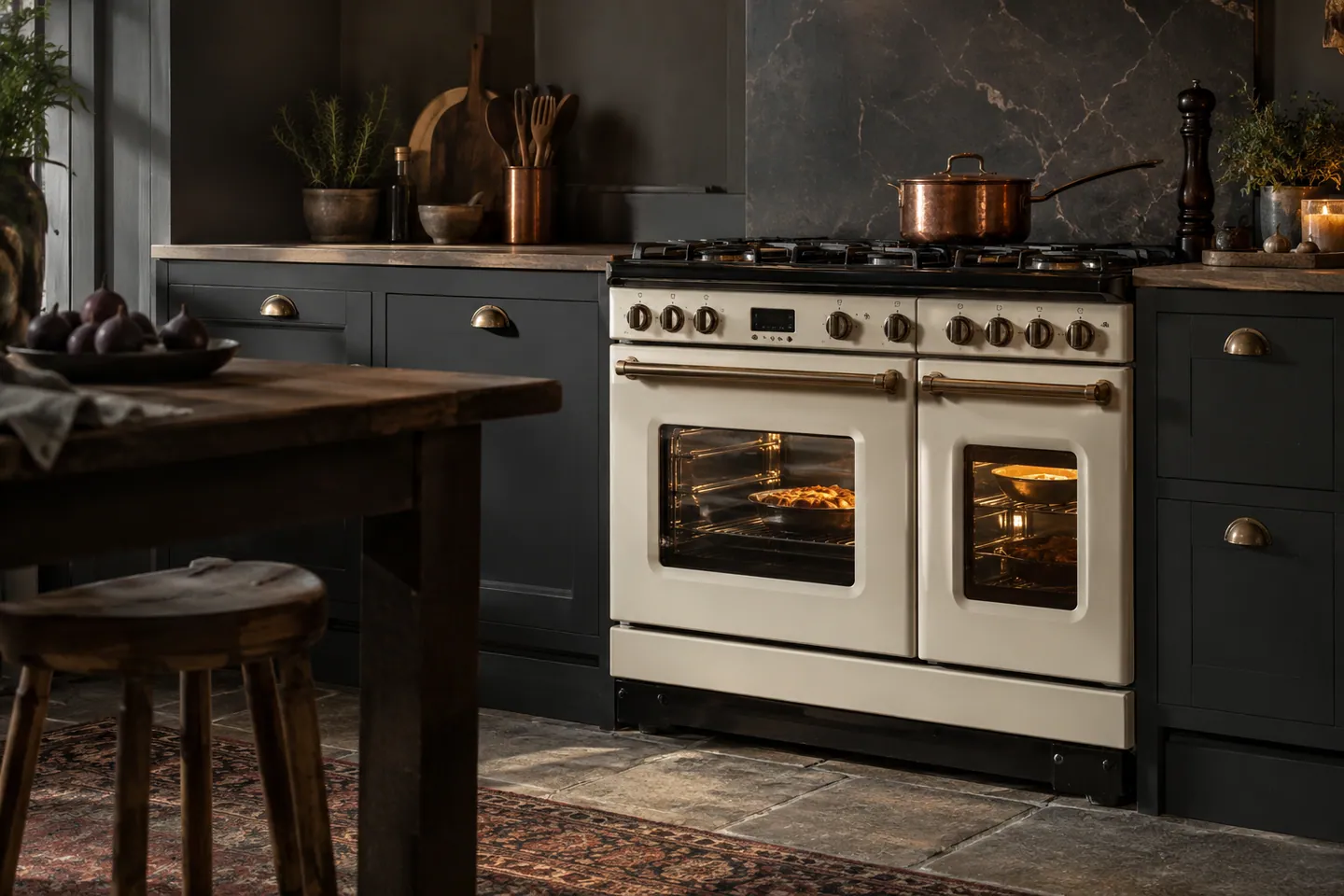
Give the finish a realistic cleaning goal
An oven can carry both cooking deposits and the marks of years of use. For oven cleaning in Wimbledon, describe the two separately where possible: grease on a smooth surface, for example, and a chip or worn patch in the finish. This creates a useful cleaning goal without treating every visible difference as dirt.
John’s oven cleaning service is available in Wimbledon for suitable accessible surfaces and appropriate removable components agreed beforehand. The aim is to address suitable deposits on the appliance you own. Enamel repair or cosmetic refurbishment is a different matter, so existing condition helps define both the work and what you can reasonably look for afterwards.
A material-conscious clean from enquiry to everyday use

Describe the enamel and surrounding materials
Mention the cavity condition, any chips or scratches and specialist linings you know about. Give the model and identify where deposits are most noticeable. Include accessible glass and exterior concerns too, because an oven contains several materials. A description of the whole appliance makes the enquiry more useful than a request for a uniformly new-looking interior.

Agree the surfaces and removable pieces
List the cooking compartments, racks and trays included. Appropriate accessories are cleaned separately from the cavity, with their coatings and wear considered individually. Confirm door glass access according to the design and leave fitted parts undisturbed. The scope can then identify suitable work without promising identical treatment or appearance across every surface and component.
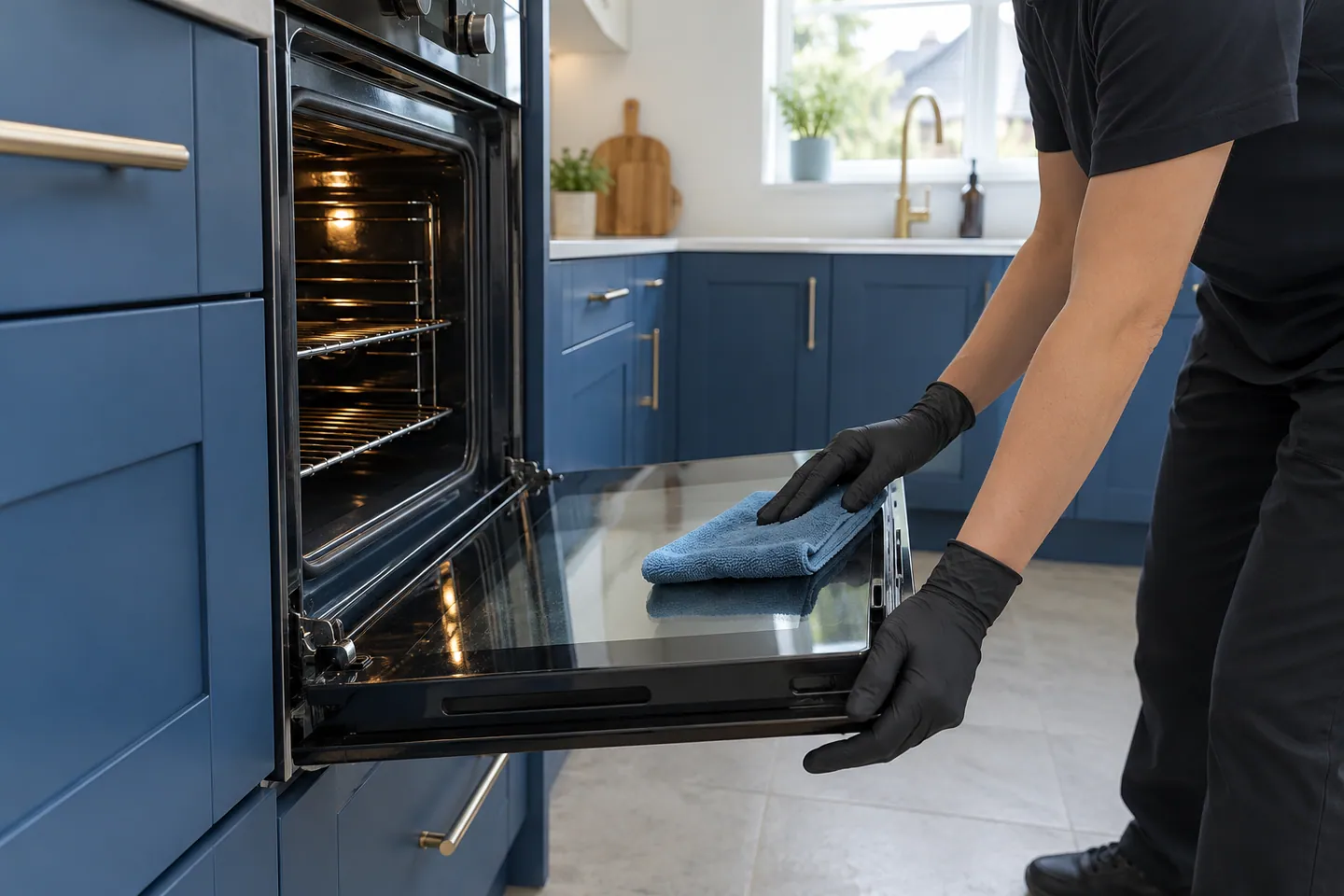
Work towards deposit removal
Cleaning follows the suitable accessible areas agreed for the model and materials. Stubborn residue is considered differently from missing enamel or permanent discolouration, rather than using the persistence of a mark as a reason for unlimited abrasion. This keeps the intended outcome clear: appropriate attention to cooking deposits, with the original surface condition understood.
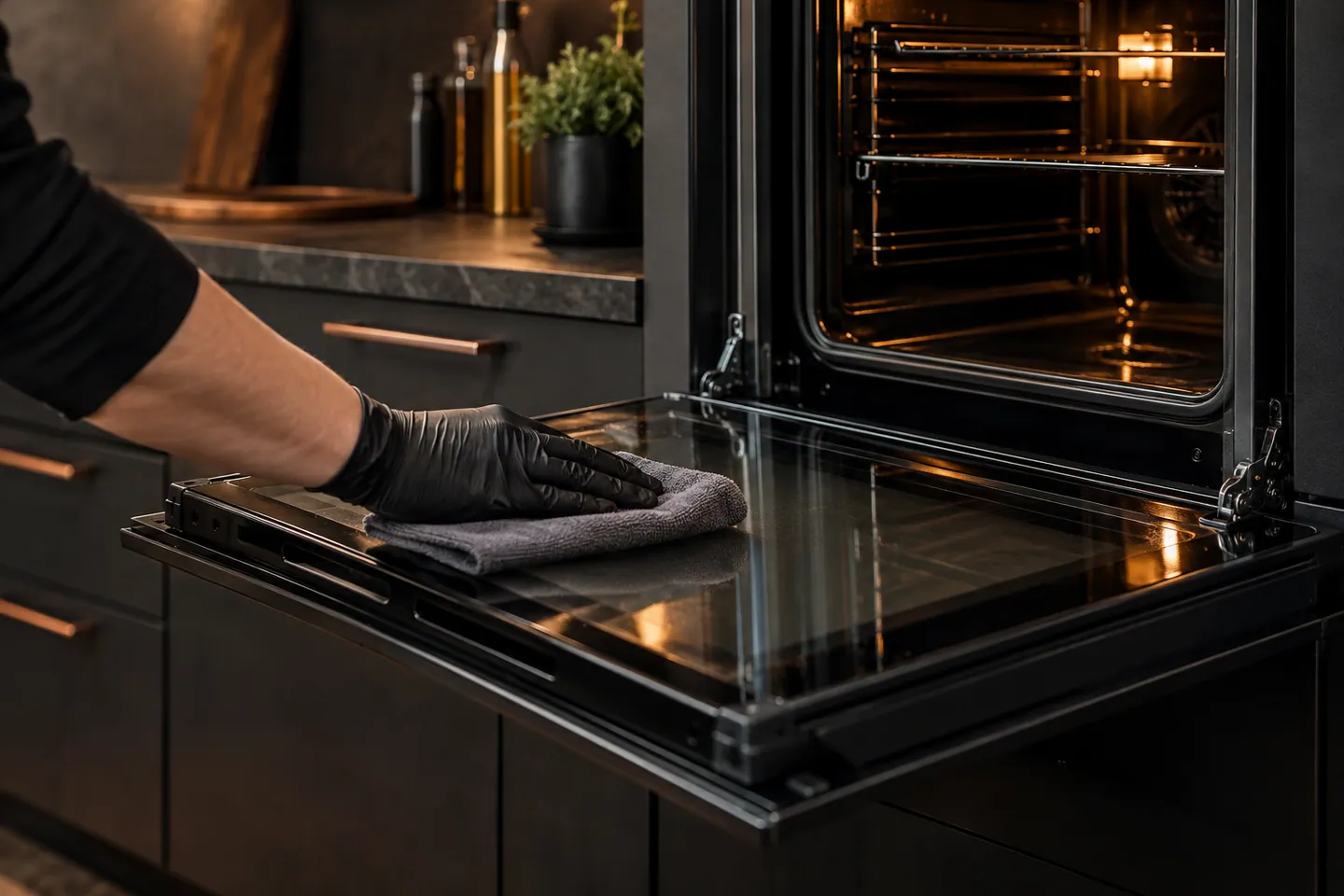
Review the appearance with that goal in mind
Look over included surfaces and accessories and ask about marks that remain. Clarify whether the appearance reflects wear, staining or access limitations. Receive advice before cooking again relevant to the appliance and products used, then use the material information to guide future routine care instead of pursuing a cosmetic standard that cleaning cannot restore.
Condition details matter across every oven size
Single ovens, doubles and ranges all need an accurate compartment and accessory description. Brand or external size does not establish the lining or condition. Give the model where available and state which surfaces concern you, including differences between a heavily used main cavity and a smaller compartment used less often.
Single-cavity appliance
Count racks and trays and mention a shared grill function. Describe the enamel and any special lining, with particular marks identified by location rather than colour alone.
Double oven
Say whether both spaces are included and list their accessories. Describe differences in the finishes or condition instead of assuming both interiors have aged identically.
Range cooker
Give the width and cooking-space count, separating storage. Identify large components and add hob cleaning expressly if the cooking surface needs attention.
Preserve a clear starting point for the visit
Have the oven and any separate grill completely cold, clear working access and remove cookware outside the request. Make listed racks and trays identifiable and leave fitted panels and glass in position. Point out existing enamel damage before cleaning, with the model information available so questions about linings and access can be discussed accurately.
Confirm the full Wimbledon address and postcode with relevant entry details. Explain any product already applied rather than starting an aggressive preparation attempt. If another person meets the cleaner, share the component list and condition information, allowing them to identify the right surfaces and receive the explanation about remaining marks and next use.
Define a clean rather than a renewed coating
Appropriate work to agree
- Suitable accessible interior and exterior oven surfaces
- Appropriate named racks, trays and reachable glass
- Discussion of original condition and persistent marks
Changes outside deposit removal
- Replacement or restoration of chipped enamel
- Guaranteed elimination of scratches or lasting stains
- Diagnosis or repair of operating appliance faults
Specialist liners need their own consideration even when nearby walls look like ordinary enamel. Keep the scope specific to the model and materials. If the surrounding cooking area also needs work, request kitchen deep cleaning separately so those surfaces do not obscure the oven’s defined components.
Tie the quotation to suitable work and components
Published guides list £50–£75 for a single oven, £75–£100 for a double and £100–£130 for a range. Request the quotation for your configuration, condition and accessory list, with enamel concerns explained. A guide figure relates to a cleaning enquiry, rather than a commitment to restore every surface to an original cosmetic appearance.
Confirm the total, VAT treatment and applicable access or parking costs before booking. A typical published visit is one to two hours, with deposits, size and extras affecting your allowance. Explain fixed timing requirements and ask for the estimate against the whole request, leaving an opportunity to review the included surfaces afterwards.
Keep the surface instructions central to routine care
Once cold, address suitable fresh spills using methods allowed by the manual for that material. Give trays attention independently of the walls, especially where their coatings differ. Keep vents free and use liners only as permitted, avoiding a product or tool simply because a persistent mark makes a stronger approach seem tempting.
The guide to appropriate grease removal provides further reading alongside appliance-specific instructions. Observe how deposits develop after cooking and what routine care manages comfortably. Plan professional cleaning around that accumulation, while noting any change in the underlying finish separately from the everyday residue that can build up on it.
Questions about enamel condition and the finished appearance
Will a Wimbledon oven clean make worn enamel look new?
Cleaning addresses suitable deposits rather than renewing the finish. Describe existing wear beforehand so the expected result can distinguish removable residue from chips, scratches and lasting changes in appearance.
Should I keep scrubbing a patch until it matches the rest?
A persistent patch may involve the underlying condition rather than dirt. Follow material instructions and discuss the mark instead of assuming increasing abrasion will safely create a uniform appearance.
Are catalytic liners treated like smooth enamel?
Identify the liner and model before work is agreed. Specialist surfaces may have different care requirements from ordinary enamel, and their appearance alone should not determine a cleaning method.
Can trays have a different expected result from the cavity?
Yes. Their material, coating and wear may differ from the oven walls. List condition details so suitable accessory cleaning can be considered independently within the complete request.
Is discolouration always baked-on food?
Not necessarily. Describe the location and material and ask about the specific mark. Staining, wear and accessible deposits need different explanations when assessing a cleaning outcome.
What should I ask at the end?
Review agreed surfaces and accessories, clarify remaining marks and receive relevant guidance before cooking. Use the explanation to inform routine care without treating a visual review as technical appliance servicing.
Area information for your enquiry
Explore the service areas directory, or choose a relevant nearby area below. When calling, give the full postcode so the address and appointment options can be confirmed.
Arrange your Wimbledon oven clean
Discuss the appliance, address and work you want included before agreeing the quote and visit.