
Greenwich
Oven Cleaning Greenwich
Book oven cleaning in Greenwich with the appliance materials and aftercare in mind. John’s can discuss suitable accessible surfaces, removable racks and trays, and glass access for your model. Confirm what is included, prepare a cold appliance and ask for the relevant guidance before cooking or routine cleaning resumes.
- Match routine care to each surface and coating
- Ask about accessories as well as the cavity
- Check advice before the oven returns to use
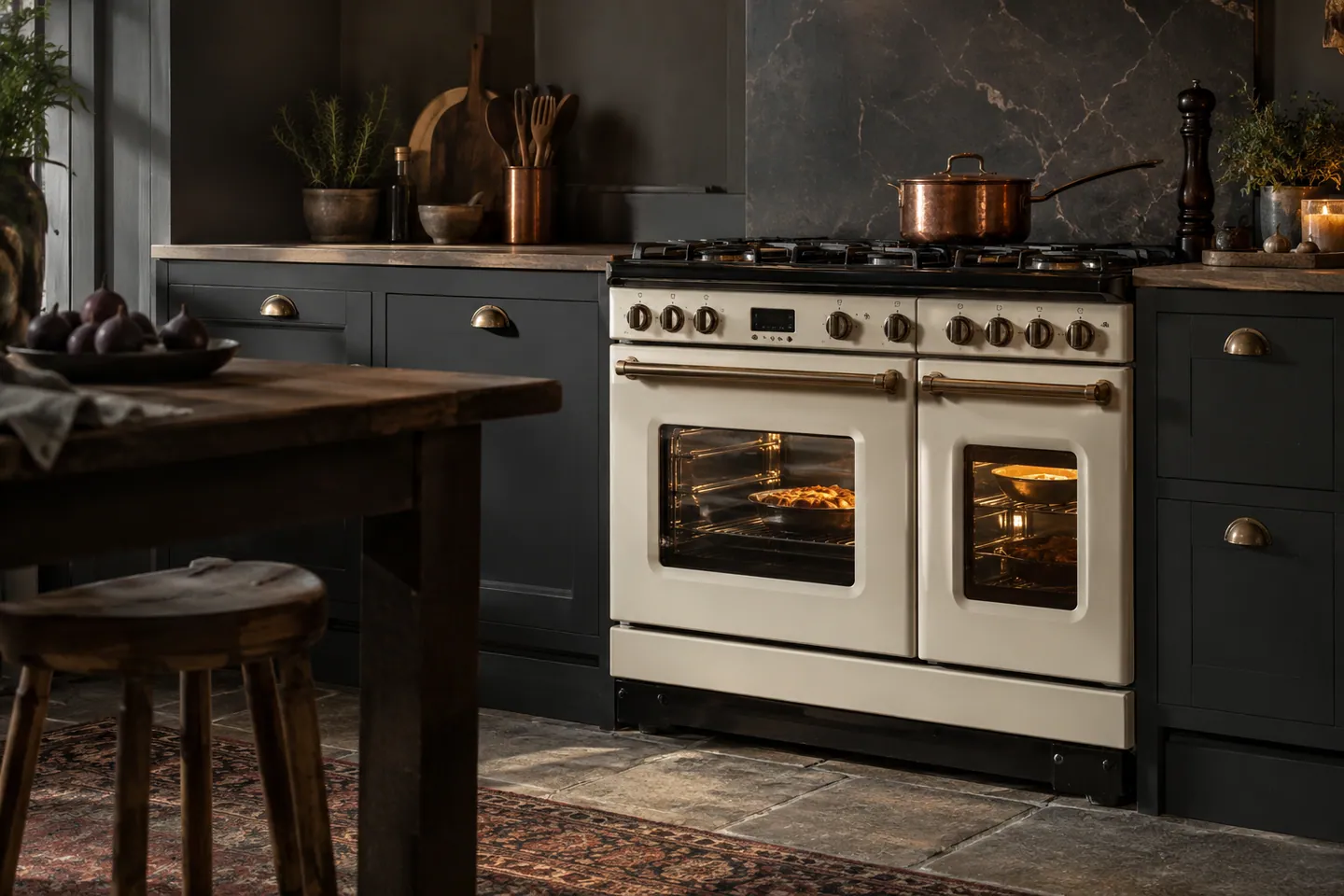
Think about the next clean while planning this one
A professional oven clean is also a useful point to review the way you look after the appliance afterwards. For oven cleaning in Greenwich, mention any unfamiliar liner, coated tray or delicate finish when enquiring. The right maintenance question is what the particular material permits, rather than which method seems strongest.
John’s oven cleaning service can address suitable deposits on agreed accessible surfaces and appropriate removable components. It does not renew a coating that has worn away. Understanding that difference helps you assess the present condition and choose sensible routine care without expecting a cleaning visit to reverse scratches or damaged enamel.
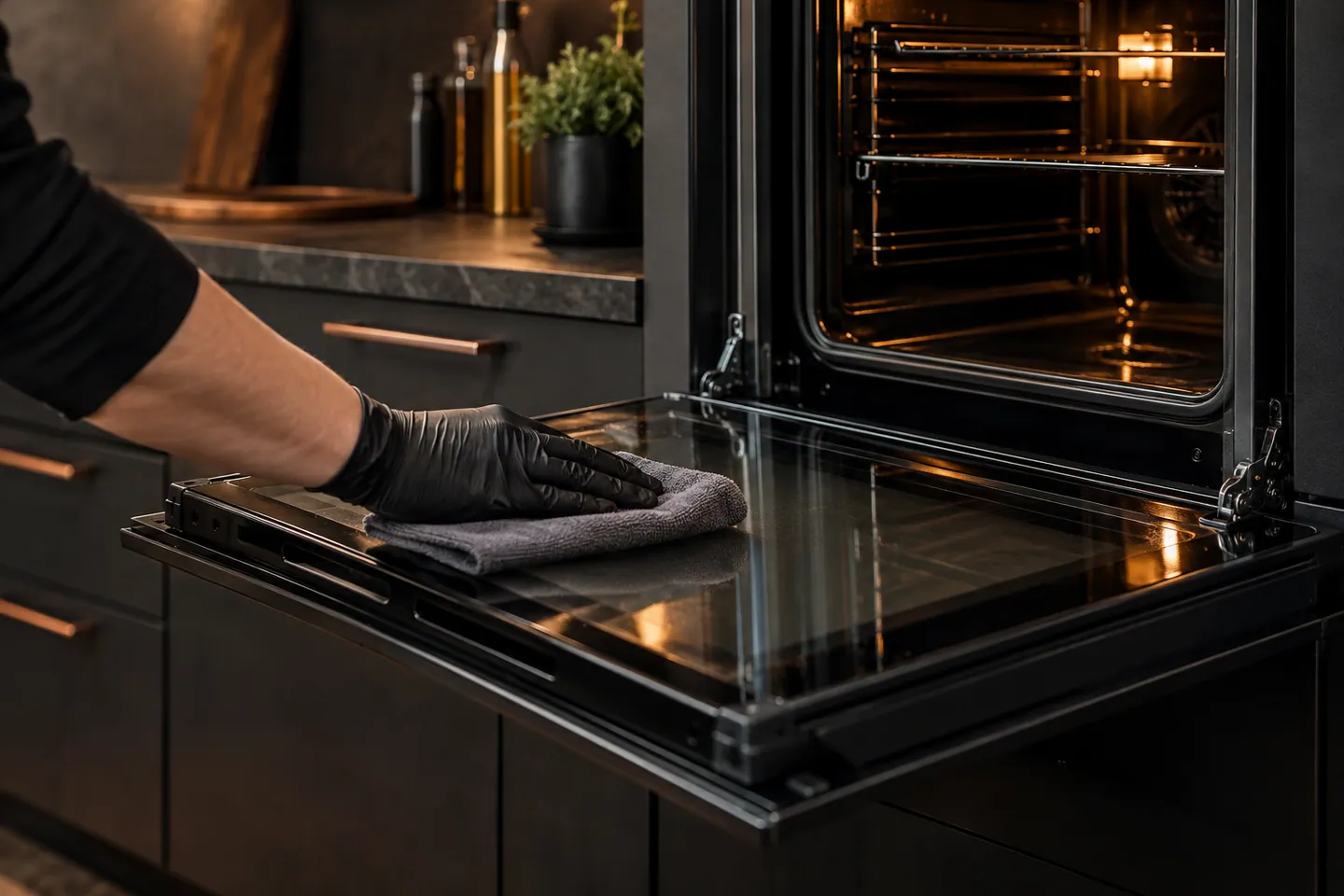
Give different materials different attention
Follow the model instructions for enamel, glass and any specialist lining. A method suitable for one surface may be inappropriate for another, even when both sit inside the same cavity. Avoid abrasive tools and unapproved products on unfamiliar materials, and do not experiment with several cleaners because a stubborn patch remains visible.
When the appliance is cold, deal with fresh spills appropriately and review the trays separately from the oven walls. A heavily used tray may need attention sooner. Keep vents clear and use foil or liners only where permitted. Further oven care reading can support questions, while the manual remains specific to your model.
Identify the surfaces included before discussing aftercare
Describe the cavity, exterior, racks, trays and door glass that need attention. Suitable accessories are cleaned separately. If glass is marked between layers, ask which surfaces can be reached on the model; dismantling the whole door is not a universal procedure. The advice after cleaning should reflect the surfaces that were actually addressed.
Tell us about catalytic liners, self-cleaning features, unusual removable parts and existing damage. A loose seal or a heating fault is separate from a dirty surface and should be mentioned before booking. Cleaning is not repair, and advice on maintaining a finish does not confirm that the oven’s technical functions have been assessed.
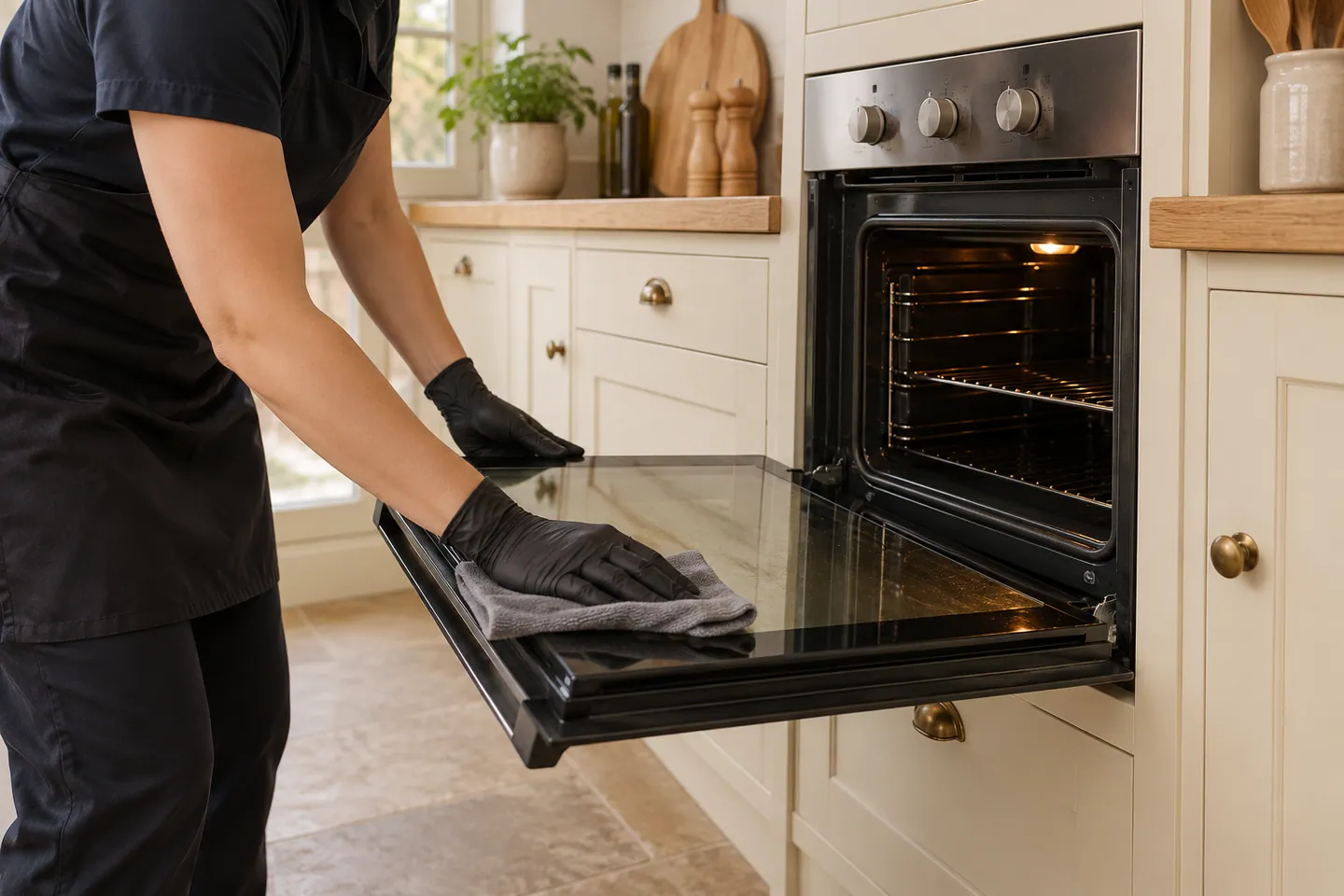
Keep the model and arrangement together
Single, double and range describe the broad layout, while the model helps identify materials and access. Give both where possible, and say what you are unsure about. Counting compartments and accessories is more useful than guessing a programme or coating from the controls on the front.
One cooking cavity
Identify the rack quantity and any grill function in the same space. Describe the interior lining and include the trays that should form part of the request.
Two cooking cavities
Say whether both need cleaning and list their accessories separately. Mention differences between the spaces, such as a separate grill or a lining found only in one compartment.
Range oven layout
Give the cooker width and cooking compartment count. Identify larger removable pieces, and request the hob or extractor separately if the whole cooking area needs attention.


Make the starting condition clear
Let the appliance become completely cold and keep the front of the oven and nearby work area clear. Remove unrelated cookware but make the included accessories easy to identify. Leave fitted supports, seals, panels and glass in place rather than taking them apart to help with access before the visit.
Provide the full Greenwich address and postcode to check actual availability, including any entry restrictions that matter. Keep the model details available and explain any product already applied. Point out cracks, scratches or damaged coatings in advance, particularly if a remaining mark might otherwise be misunderstood as residue after the clean.
Connect the quotation to the actual components
The published guides are £50–£75 for single ovens, £75–£100 for double ovens and £100–£130 for range ovens. Use these as a budget reference while requesting a quotation for the actual appliance and agreed components. Size, condition and extras shape the work; a broad category does not specify every material or accessory.
Confirm the total, VAT treatment and any applicable access or parking costs. If you request hob cleaning, identify its surface too, since it has its own care requirements. Discuss kitchen deep cleaning separately for surrounding surfaces so the oven quotation stays clear about which tasks it includes.
Ask the practical questions before the next meal
The published duration guide is typically one to two hours, with the allowance for your appliance depending on its size, deposits and additional tasks. Explain any fixed commitment before booking and ask for a realistic estimate. Leave time to review the work rather than treating the guide as an exact finishing promise.
At the end, look over the included surfaces and ask about remaining marks. Confirm when the oven can be used again, with any advice relevant to the model and products used. Do not assume that instructions for another appliance apply automatically, or that every professional cleaning visit has an identical return-to-use procedure.
Let usage determine the next enquiry
There is no need to choose a universal timetable for the next clean. Observe the deposits that develop, the accessories you use most and the routine care allowed by the manual. If a particular surface remains difficult to maintain, note it for the next enquiry without escalating to harsher methods that may damage the finish.
Oven cleaning questions in Greenwich
Can I use the same cleaner on the glass and liners?
Check the instructions for each surface rather than assuming one product suits the whole oven. Specialist linings and coated accessories can have different requirements from ordinary enamel or accessible glass.
What should I ask after a Greenwich oven clean?
Ask which surfaces were addressed, why any marks remain and what advice applies before cooking again. Raise maintenance questions for the specific materials instead of relying on a routine used with a previous oven.
Is a worn tray coating restored by cleaning?
No. Suitable deposits can be addressed, but cleaning cannot renew a failed coating or replace damaged material. Mention the condition before agreeing accessory work so the expected outcome is realistic.
Can foil keep the cavity clean afterwards?
Use liners or foil only in ways permitted by the appliance instructions. Avoid improvised arrangements that cover openings or contact unsuitable surfaces; another oven’s permitted method may not apply to your model.
Should the next visit be booked for a fixed interval?
Consider cooking habits, visible build-up and what suitable routine care can manage. A fixed interval is not a universal requirement for every household, and the condition of trays may differ from the cavity.
Does the Greenwich page confirm my address is available?
It supports a service enquiry for the area. Provide the full address and postcode to check actual appointment availability and explain any entry arrangements when the work and quote are discussed.
Service enquiries around Greenwich
Check the service areas directory and give your full address when asking about availability. You can also read about the service in these nearby areas:
Discuss your Greenwich oven clean
Call with the appliance details and postcode to confirm the scope, quote and appointment options.