
Chiswick
Oven Cleaning Chiswick
Specialist oven liners need to be identified before cleaning is agreed. For a Chiswick enquiry, have the model details ready and explain any self-cleaning features or unusual interior finish. Discuss the suitable cavity surfaces, glass and removable accessories so the appointment follows the appliance’s construction and manufacturer guidance.
- Identify specialist liners at the enquiry stage
- Keep the manufacturer instructions available
- Agree suitable surfaces before planning the clean
Start with the inside finish
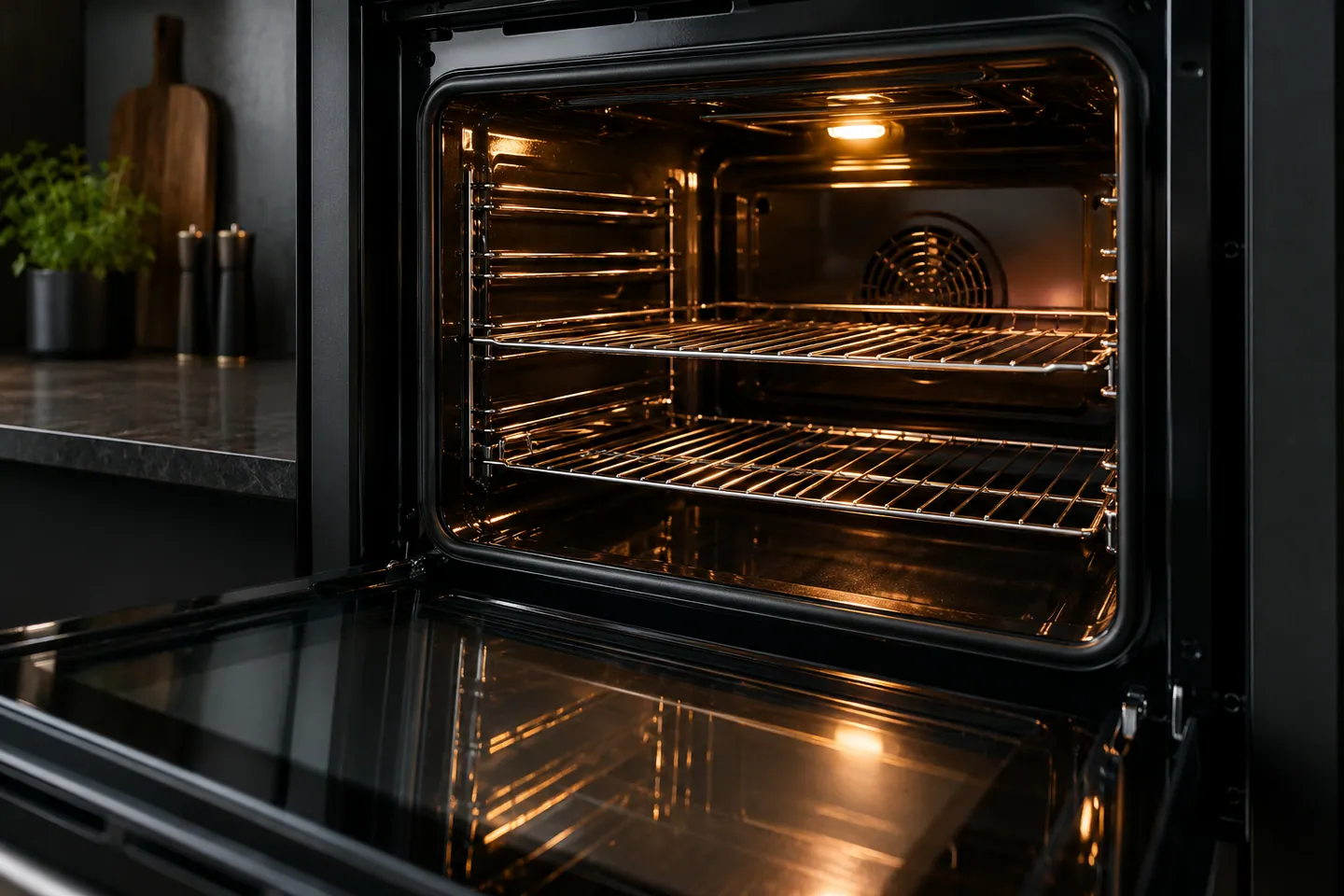
Not every oven wall has the same surface. A specialist liner may need care that differs from ordinary enamel or a removable metal rack. Before enquiring about professional oven cleaning in Chiswick, note the make and model and check what the manual calls the interior finish. You do not need to identify it by appearance alone.
Tell the booking team about catalytic liners, self-cleaning functions or other special features. If you are unsure, say so. Guessing that every dark panel can be scrubbed like a tray creates an unhelpful assumption; the relevant instructions and construction should guide the discussion of suitable work.

Keep instructions ready and leave panels in place
Have the manual available where possible, including the section on cleaning and removable parts. Do not detach liners or take off the door to prepare. Those parts may have specific fitting requirements, and preparation should not create a dismantling job that was never discussed.
Let the oven become cold, remove food and loose cookware, and clear the nearby working space. Explain any cleaning products already used on the interior. Report loose parts, cracked glass or damage in advance, particularly if the affected area sits alongside a specialist coating or difficult-to-access component.
Separate ordinary fittings from specialist surfaces
The enquiry can cover suitable accessible interior and exterior areas, removable racks and trays, and glass access appropriate to the model. List those items clearly. A shelf, telescopic fitting and specialist liner should not be treated as the same material simply because they sit inside one cavity.
Ask which door glass faces can be reached. A mark between panes does not establish that disassembly is included or appropriate. Similarly, do not assume a self-cleaning feature means all residue and accessories are already dealt with; explain the remaining condition and let the quote identify the work under consideration.
Model details matter across all oven sizes
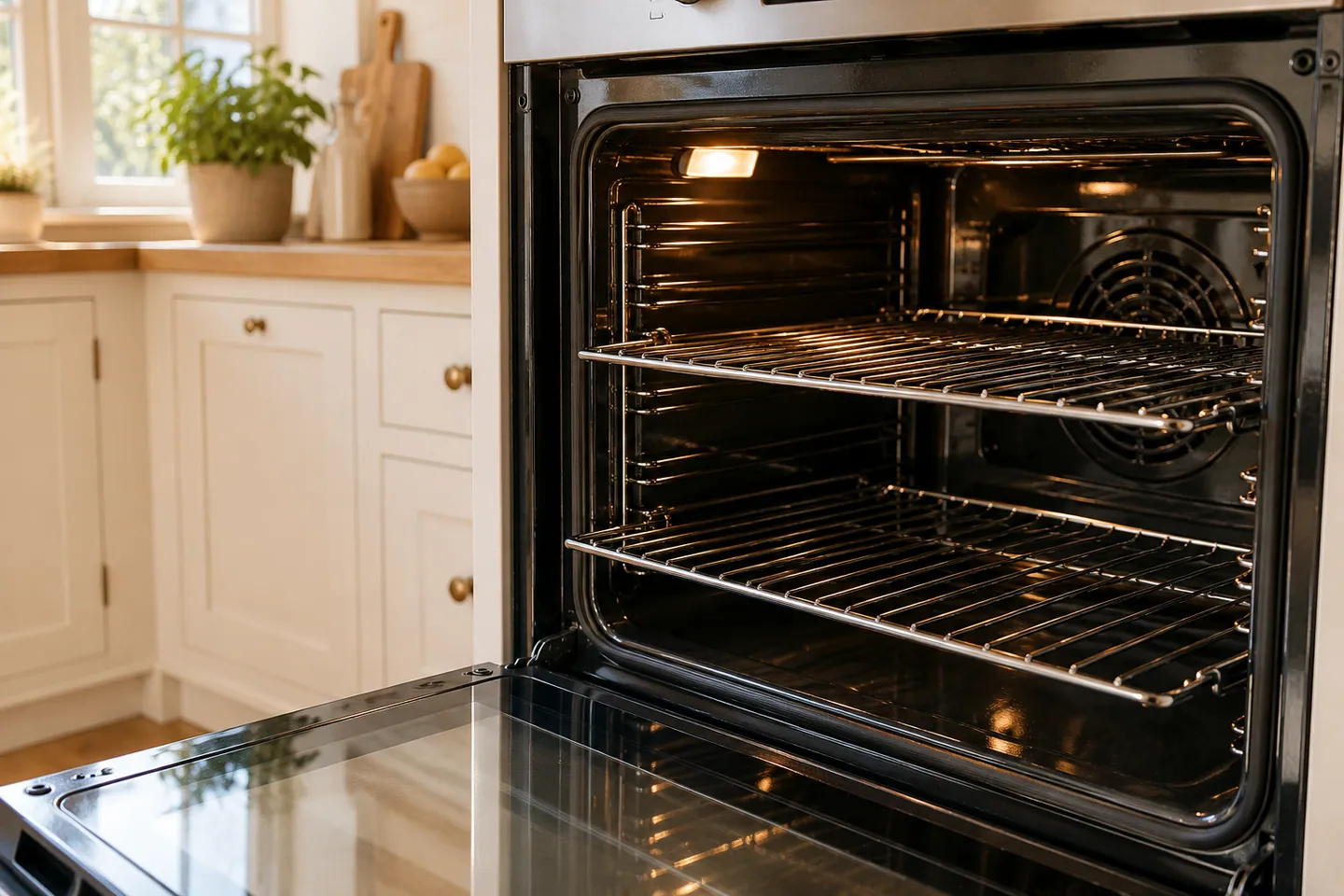
Use a broad type to explain the amount of work, then add the model-specific interior information. The size category does not tell the whole story about liners or access.
Single ovens
Identify the single cavity and whether specialist panels are present. Include glass and removable accessories in the description, even where the oven has a self-cleaning programme.
Double ovens
Describe the finish in each compartment separately. Two cavities within the same appliance may have different uses, fittings and residue, so avoid assuming they need identical attention.
Range ovens
Count each cooking compartment and describe its interior. Ask about the individual cavities rather than treating the wide cooker as one uniform surface with one set of instructions.

Cleaning is not a coating repair
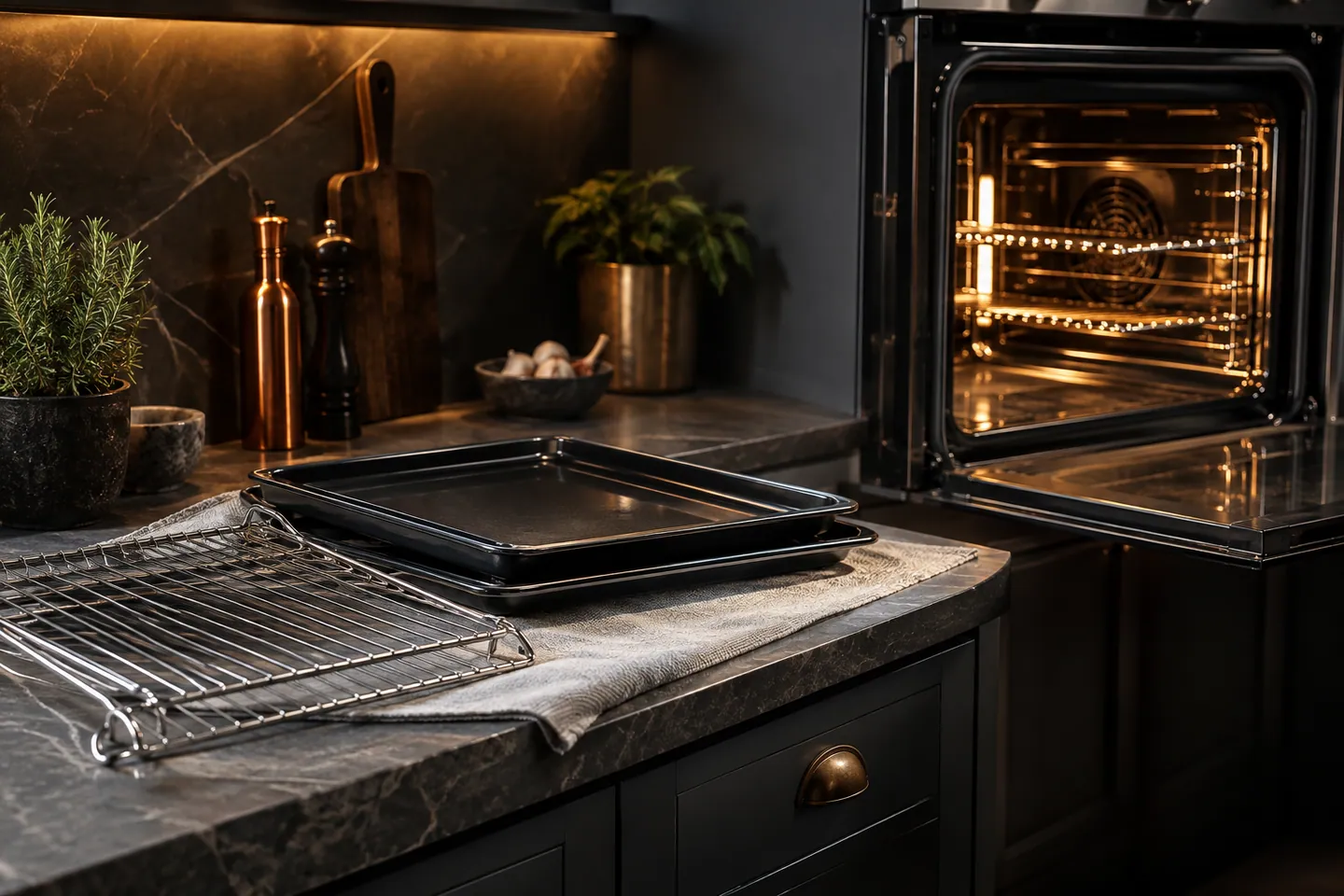
A damaged liner, worn enamel or scratched glass cannot be made new through cleaning. Identify visible defects before booking and distinguish them from removable grease or food. The aim is an achievable clean of suitable surfaces, not restoration of the original finish.
Technical problems also remain separate. Heating faults, unreliable controls or broken hinges need appropriate diagnosis or repair; they are not covered by an ordinary cleaning enquiry. If a concern could affect the suitability of cleaning, report it rather than hoping that removing residue will establish what caused it.
Quote the appliance that is actually there
Single-oven guide prices are £50–75, doubles £75–100 and ranges £100–130. Confirm the price against the number of cavities, condition, fittings and agreed scope. Specialist construction is a reason to provide better information, not to assume a particular supplement or a fixed method without discussion.
Keep other appliances distinct. A hob-cleaning enquiry should identify its own finish and type. For broader surfaces, discuss kitchen deep cleaning as a separate scope. Ask for the included work and total to be stated before agreeing the booking.
Use the enquiry to settle practical details
Provide the complete Chiswick address and postcode by phone to check availability. Explain how access will be provided and any restrictions around the oven. Published area coverage does not confirm the timing of a visit or remove the need to check the individual address.
Some oven cleans typically take around one to two hours, depending on construction, condition and scope. Ask about the allowance suitable for your model and do not schedule against an assumed finish. Have the agreed work and any known surface concerns available to discuss at the start.
Keep future cleaning tied to the manual
Routine care should follow the instructions for the specific finish, including any directions for self-cleaning features and accessories. Once safe and cold, deal with suitable spills using an approved approach. Avoid borrowing a method from another oven simply because its interior looks similar.
Review the condition of ordinary removable trays independently from the liners. They may accumulate residue at a different rate. Professional cleaning frequency should reflect actual cooking deposits and what your routine care can manage, with the model details carried forward into any future enquiry. If an accessory is replaced, check its own instructions rather than assuming the previous tray’s care requirements still apply.
Oven cleaning questions in Chiswick
Should I remove catalytic liners before the visit?
Do not remove them as preparation. Identify the model and liner type, keep the relevant instructions available and agree suitable work before the appointment.
Is a self-cleaning oven excluded?
Describe the appliance and remaining residue rather than assuming inclusion or exclusion. The appropriate scope depends on its construction, accessible surfaces and manufacturer instructions.
Can all interior panels be scrubbed alike?
No such assumption should be made. Specialist coatings, ordinary cavity surfaces and removable fittings may have different care requirements within the same oven.
What if the manual is missing?
Give the make and model and explain what you know. Do not guess the coating or dismantle parts to identify them before enquiring.
Will cleaning replace a damaged liner?
Replacement is not implied. Mention the damage and seek appropriate advice for the component; cleaning concerns suitable surfaces rather than repairing the appliance.
Are oven and hob finishes considered together?
They need separate descriptions. State each appliance’s type and material and ask for any hob work to appear expressly in the quote.
Service enquiries around Chiswick
Check the service areas directory and give your full address when asking about availability. You can also read about the service in these nearby areas:
Discuss your Chiswick oven clean
Call with the appliance details and postcode to confirm the scope, quote and appointment options.