
New Cross / The service guide
Oven Cleaning New Cross
An oven used occasionally can still carry concentrated roasting residue, while frequent light cooking may leave a different pattern. For oven cleaning in New Cross, tell us what needs attention now. We will clarify the compartments, accessories and cleaning work before agreeing preparation, the quotation and an appointment for your appliance.
- Describe current deposits alongside cooking frequency
- Identify concentrated residue on the accessories you use
- Choose future care from observed condition rather than dates
Describe the deposits that remain after cooking
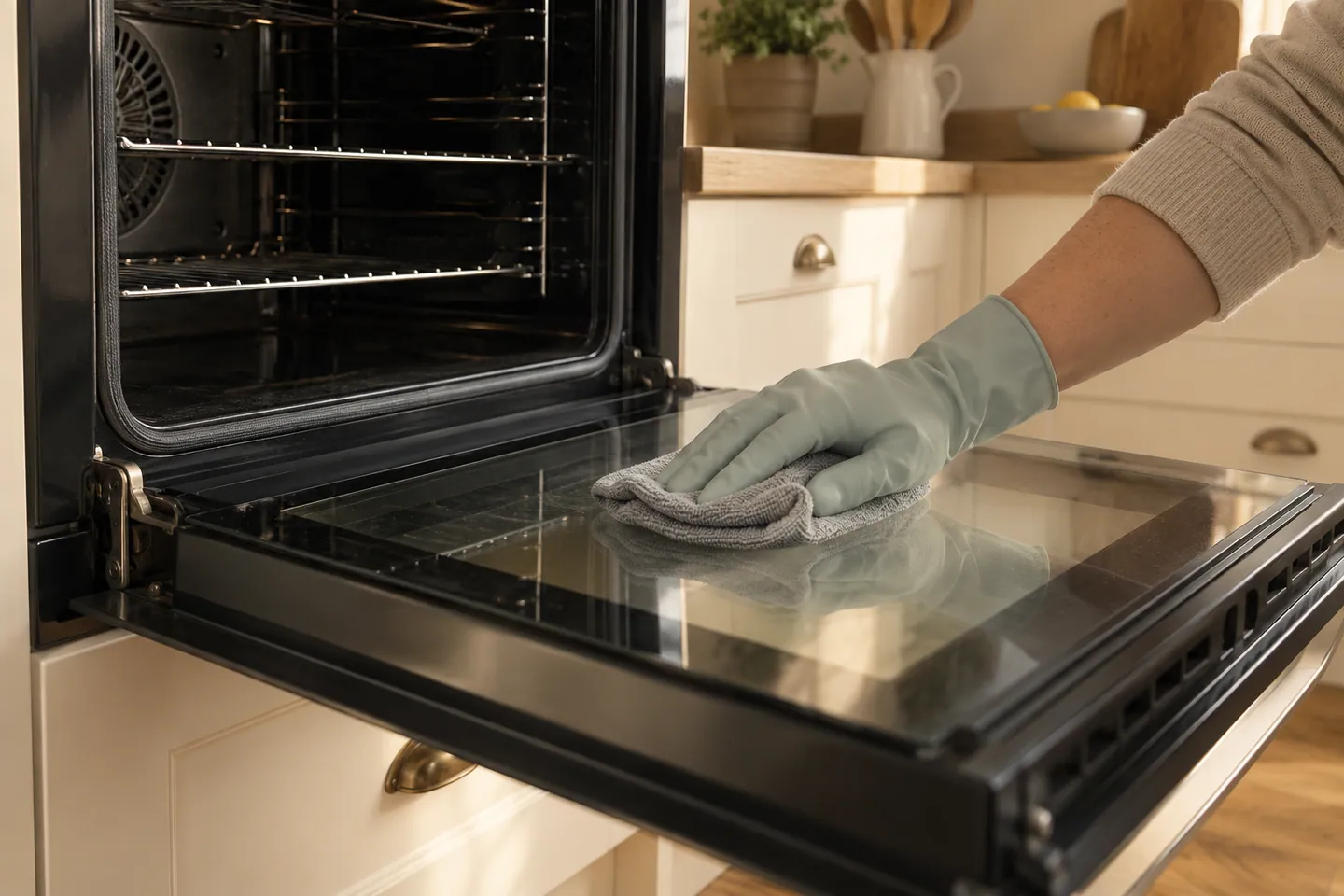
The number of times an oven is switched on does not fully explain its cleaning needs. One roasting session may leave a heavily marked pan, while repeated baking may concentrate attention elsewhere. If you use the oven irregularly, tell us what you see when arranging a New Cross clean instead of assuming occasional use makes every surface lightly soiled.
We provide oven cleaning in New Cross for the appliance areas and components identified in the booking. Cavity and exterior surfaces within reach are addressed alongside the glass included for the model, while racks and trays are cleaned separately. Your cooking pattern adds context, but the actual condition establishes what you want help with now.
Look separately at the pan, glass and cooking space
Check the accessories used for your last heavier meal as well as the oven walls. Describe residue on a roasting pan, splashes on glass or deposits below a shelf, with the material and model where known. A clear door does not tell you whether the tray beneath it needs attention, and an infrequently used upper chamber may still belong in the request.
Explain the normal care you have tried and any products already applied. Current condition is more useful than cooking frequency alone. Identify specialist linings, coating wear and areas you find difficult to maintain, then list the compartments and pieces requested so the enquiry is about a real workload rather than a label such as occasional cooking.
Pair the pattern of use with the appliance layout
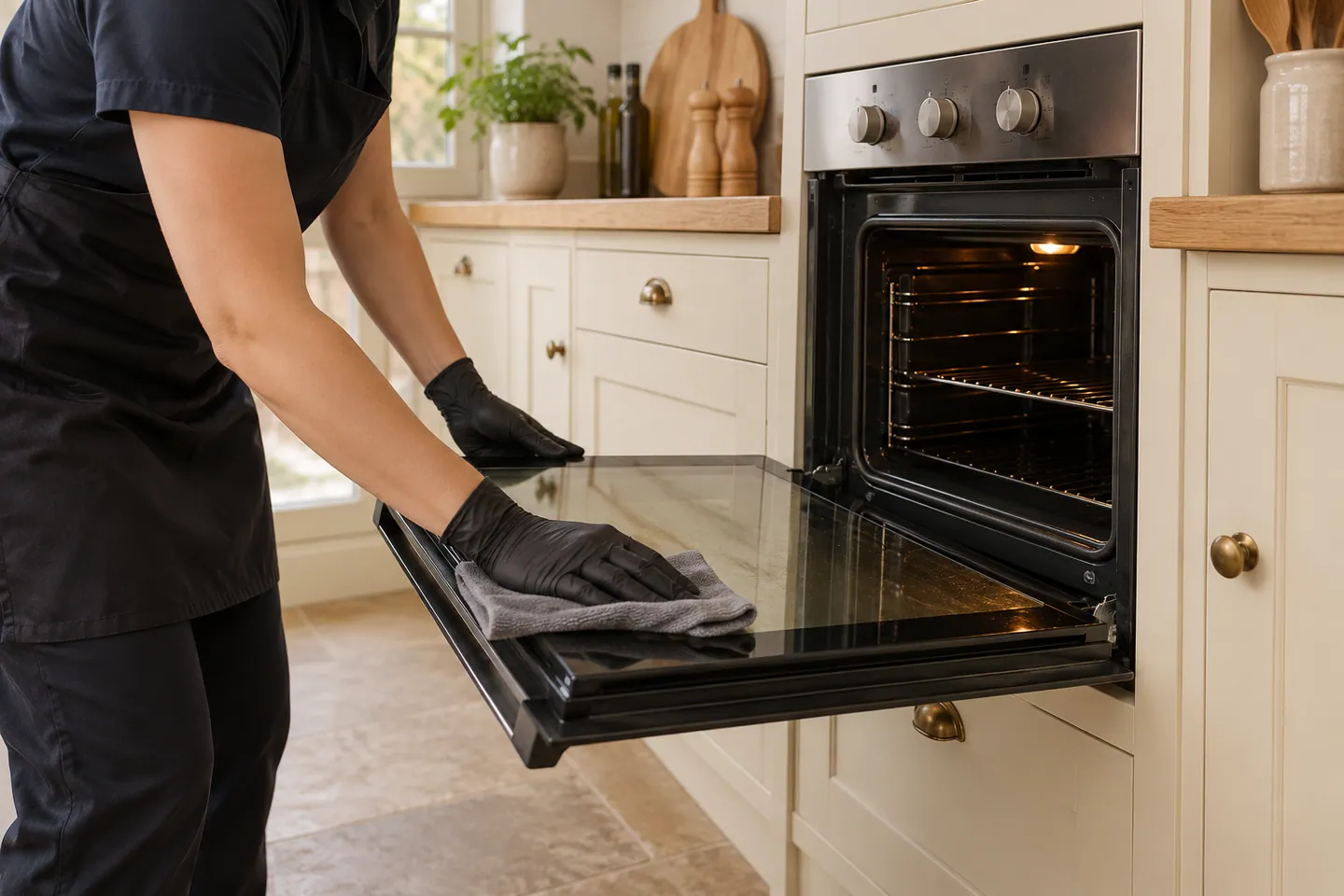
Cooking habits help explain where deposits develop, while the configuration identifies the number of spaces to include. Describe both and give accessory quantities. The table offers a way to organise that information without assuming that every cavity on a larger cooker is used or marked equally.
| Configuration | What to distinguish | Useful detail for a quote |
|---|---|---|
| Single cavity | Occasional roasting and frequent baking can use different accessories | List the actual pieces and the surfaces carrying residue. |
| Double oven | A main oven and upper chamber can have very different use | Specify included spaces even when one is switched on infrequently. |
| Range cooker | Several compartments may contain concentrated work in only some areas | Give the full requested layout and explain condition cavity by cavity. |
If cooking has also left residue on the surface above, request hob cleaning separately with its type and size. The way you use the oven does not specify that additional appliance’s work. Keep each task named when asking for the total and appointment allowance.
Set priorities without losing the complete request
Tell us which cavity, exterior and reachable glass surfaces need attention, then identify the racks and trays included. You can explain that one roasting pan is the main concern while still asking about the full oven. Mention replacement pieces and specialist coatings so their care is considered independently rather than inferred from their use for the same meal.
Cleaning does not repair an appliance, replace worn coatings or guarantee that permanent marks disappear. Door-glass access depends on the model and construction. Explain existing damage and operating faults before the visit, directing technical questions to appropriate appliance advice. These condition details matter whether the oven is used daily, weekly or only for a particular kind of cooking.
Prepare for the visit rather than the next meal
Let every requested compartment and separate grill become completely cold. Clear the space in front and nearby work area, remove cookware outside the scope and identify included accessories, especially those stored elsewhere between occasional uses. Leave fitted panels, glass and connections alone, keeping model details or instructions available if a lining or access question arises.
Provide the full New Cross address and postcode with entry arrangements and any fixed commitment. Explain products already used and pass the component list to anyone meeting the cleaner. If surrounding surfaces need attention too, describe a kitchen deep clean separately rather than assuming the cooking story alone defines work across the whole room.
Ask for a quote based on the deposits and components
Published guide prices are £50–£75 for single ovens, £75–£100 for doubles and £100–£130 for ranges. Request the figure for your actual model, size, condition and accessory list. An occasional-use description does not establish a lower workload by itself, so make the current deposits clear and check the confirmed total, VAT treatment and applicable access or parking costs.
The published typical guide is one to two hours for oven cleaning, with the allowance affected by size, deposits and extra work. Mention a fixed appointment afterwards before booking and ask about the estimate for the entire request. Leave an opportunity to review included surfaces and accessories, particularly the concentrated area that originally prompted you to enquire.
Cooking deposits across cavities and accessories

Use the cooking pattern to build a practical routine
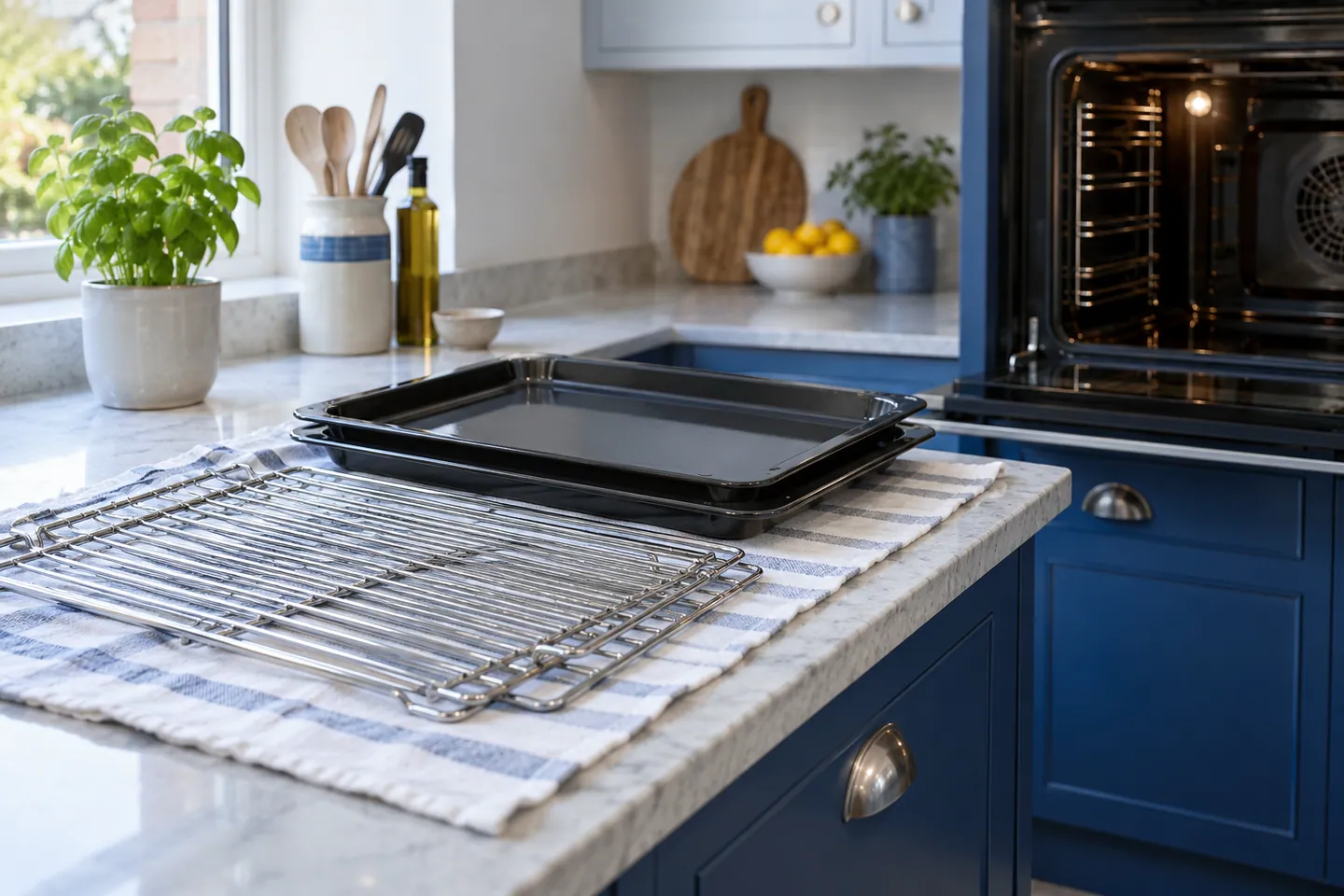
After the work, ask about remaining marks and relevant guidance before cooking, considering the model and products used. For routine care once cold, follow the manual and attend to permitted fresh spills after the meals that leave them. Give heavily used trays their own attention rather than waiting for the oven’s next frequent-use period to begin.
Keep vents unobstructed and only use liners where allowed. The care between professional cleans guide offers further reading alongside appliance instructions. Decide on future help from accumulated deposits and what home care manages, rather than counting calendar months or assuming a long gap between meals means a clean is unnecessary.
Questions about occasional use and concentrated residue
Can an occasionally used oven need a New Cross clean?
Describe its present condition rather than judging only by frequency. Concentrated deposits on a roasting pan, glass or cavity can be worth discussing even when the appliance is switched on relatively rarely.
Does frequent light cooking create the same request as roasting?
Explain the actual surfaces and accessories affected. Cooking frequency and meal type provide context, but they do not establish identical deposits or replace a description of the appliance and component list.
Should a rarely used upper chamber be left out?
Say whether you want it included and describe its condition. Do not leave that decision implied by its use; the quotation should identify the cooking spaces actually requested.
Can I ask mainly about a heavily marked roasting pan?
Raise it as a priority and list its material and condition, then clarify the oven work also wanted. Confirm suitability and inclusion before treating a single accessory concern as a complete booking.
Will occasional use determine the price automatically?
The quote needs the layout, condition and components. An infrequent-use label alone does not establish the amount of work, so ask for the total against the actual request.
How should I choose a future cleaning interval?
Observe the deposits that develop and what routine care can manage under the manual. A timetable based only on dates is less informative than the condition of the oven and accessories you use.
Nearby area guides
Find the right locality in our service areas directory, or explore these nearby guides for another address.
Discuss an oven clean in New Cross
Call with the address, appliance details and work you want included to arrange a suitable appointment.